Executive Assistants
How executive support drives ROI: Christine Ward, EA at ZoomInfo
Oct 6, 2025
5 min read


We recently sat down with Christine Ward, Senior Executive Assistant at ZoomInfo, as part of our blog series highlighting the best executive assistants in tech. Christine stands out because while she manages a demanding portfolio of leaders, she always keeps her eyes on the bigger picture: how executive support drives ROI.
Since joining ZoomInfo in May 2024, Christine has supported four senior executives across product, data, and strategy, while also stepping in to lead the EA team during the team manager’s maternity leave.
Christine shared her perspective on what makes executive support effective, the signs leaders should watch for to know when they need an EA, and why investing in strong support ultimately pays off. Here’s our conversation.

Table of contents
- What are some signs that an executive needs an EA?
- What happens if an executive doesn’t need an EA anymore? Where should the support go?
- What can executives expect when supported by a strong EA?
- What’s one thing you do that consistently makes your executives more productive?
- What’s one thing EAs can do that makes executives say, “Wow, I didn’t know you could do that”?
- What’s the most difficult situation you’ve had to handle as an EA?
- Why should tech companies invest in hiring executive assistants?
- What advice would you give to an executive considering working with an EA for the first time?
1. What are some signs that an executive needs an EA?
Some signs would be missing things they wouldn’t usually, because their time is spent on other tasks like managing their own calendar or catching up on Slack or email. A sign that executives need an EA is that they’re so deep in administrative work that they’re missing the bigger picture and losing out on the ROI their time could deliver elsewhere.
95% of customers save 2+ hours per day with Viva EA
Another big one is not spending time effectively due to too many meetings. A good EA can flag when someone else should attend, or when an agenda isn’t clear enough to warrant their presence. If an executive’s time isn’t being spent effectively, that’s a sign they need support.
2. What happens if an executive doesn’t need an EA anymore? Where should the support go?
I actually had this situation recently. If an executive leaves or no longer requires support, there are usually several others eager to have that additional help. It’s an opportunity to reassess the support structure: who’s supporting whom, where bandwidth lies, and whether there’s room for promotions or training. In those moments, we try to see which leaders are attending unnecessary meetings or dropping the ball. Those are the first candidates to get the additional support.
In our case, we had executives reaching out asking for help, so it opened the door for newer EAs to step up and expand their skill set while also giving those executives the ROI they needed.

3. What can executives expect when they are supported by a strong EA?
First and foremost, improved ROI. A strong EA ensures the right meeting attendance, evaluates whether requests are worth the executive’s time, and acts as a second brain.
This is how you understand the ROI of an executive assistant.
We’re fast problem-solvers and forward-thinkers. A good EA keeps executives focused six months ahead, not just in the moment. We also become the first line of communication: people know they’ll often get faster answers from us, cutting down on lags.
Another important aspect is being an ear to the ground. We’re close to teams at all levels and can surface issues early, while also bringing energy and morale to the workplace.
Recently, we’ve been in the middle of two big launches. I reminded leadership to thank their teams and was able to get approval for a special celebration to recognize their hard work. People are giving up weekends and family time to make these launches successful. Being able to advocate for that recognition was important and I’m lucky to be at a company that values an EA’s voice in the room.
4. What’s one thing you do that consistently makes your executives more productive?
Blocking time on their calendar. I try to plan at least two weeks ahead so they’re not back-to-back all day. That protected time makes space for deep work and gives us flexibility to address unexpected fires. It seems simple, but it makes a huge difference.
84% of our customers saw value within 2 weeks.
5. What’s one thing EAs do that makes executives say, “Wow, I didn’t know you could do that”?
Taking initiative. I believe in not asking, just doing, and putting a solution in front of my executives. One example is an internal leadership calendar I built for our product team. Things were moving so fast that milestones were slipping.
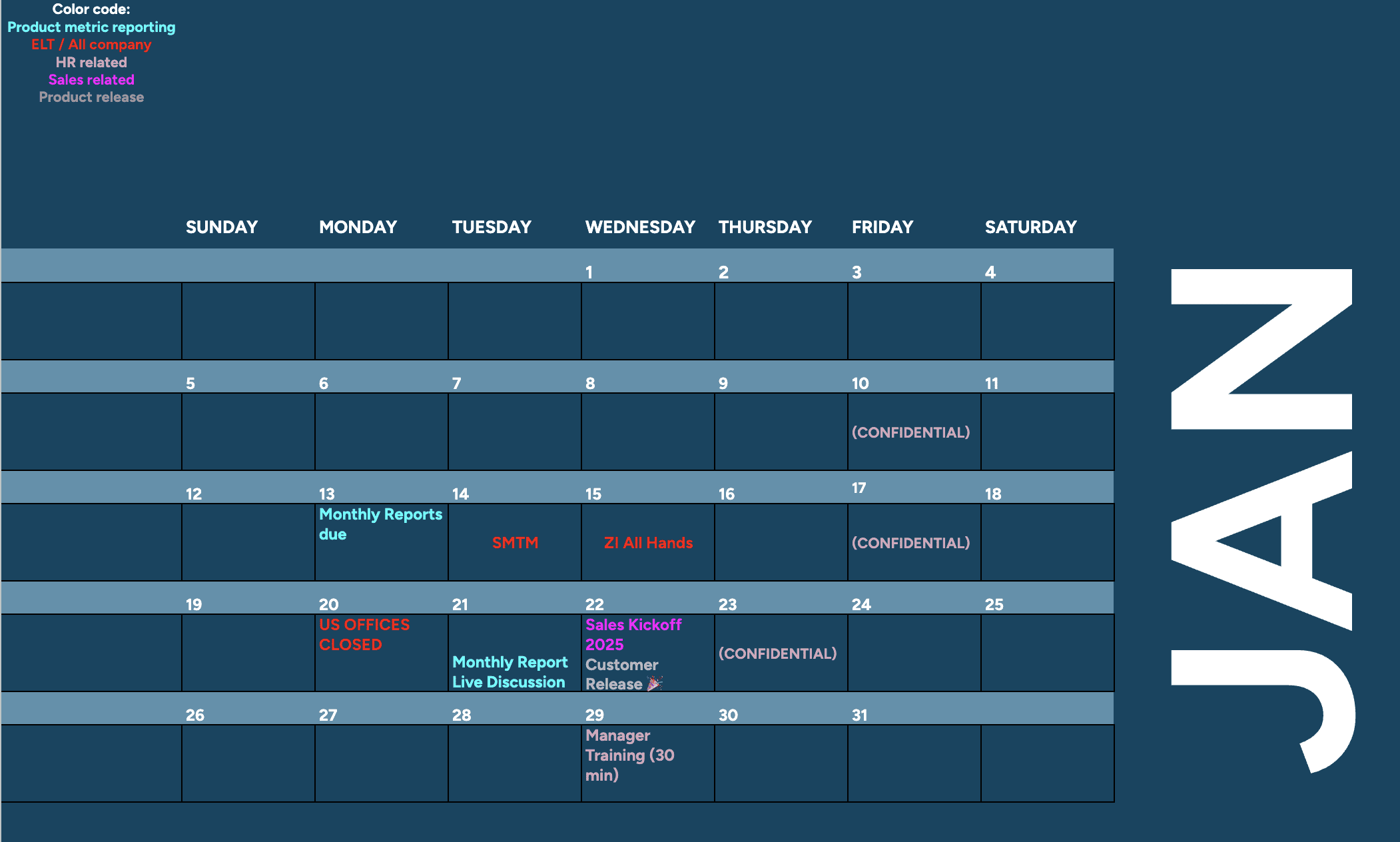
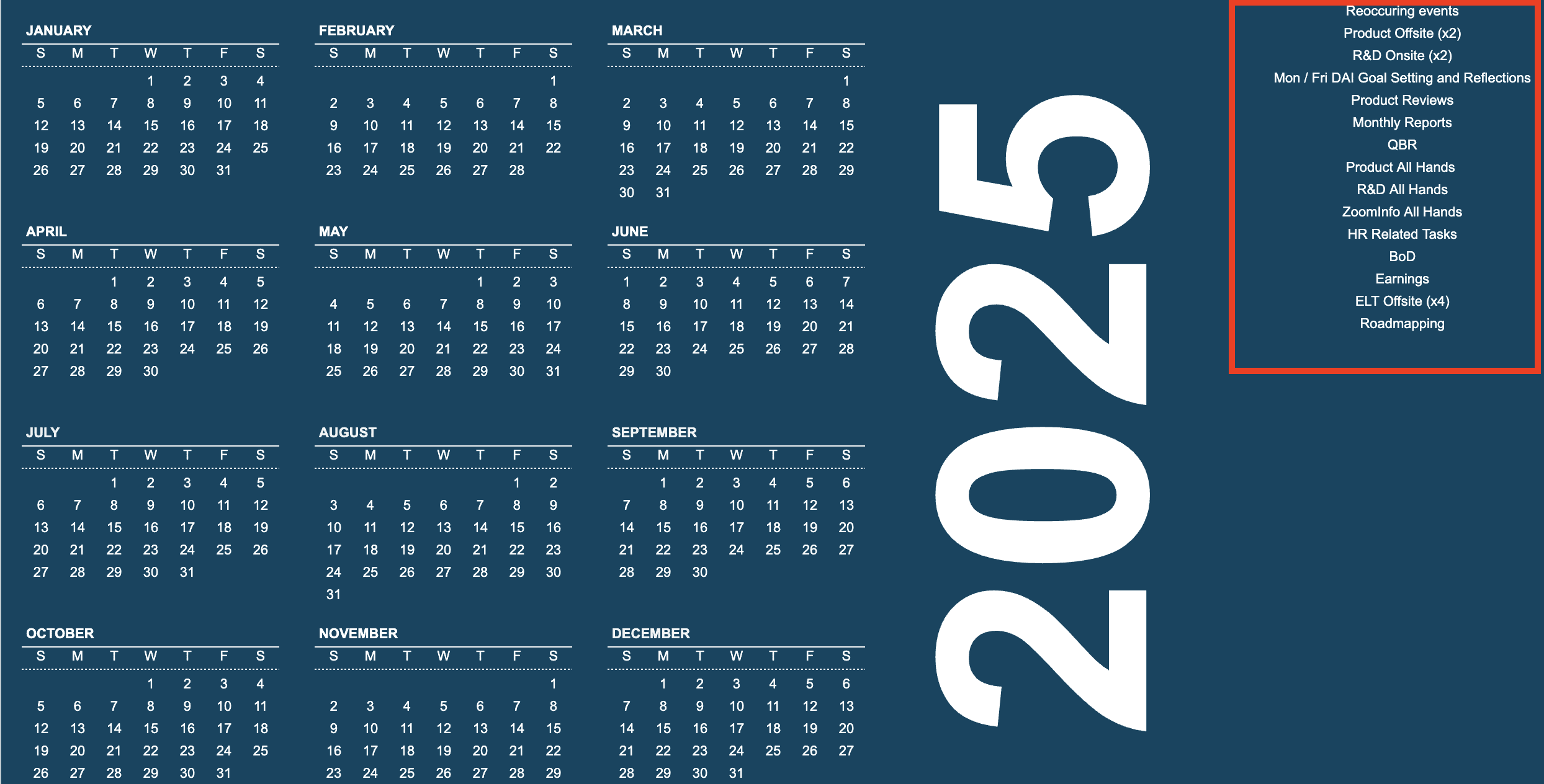
I created a two-month calendar that mapped initiatives and prep timelines so leadership could see the bigger picture. It changed how they prioritized and gave them a roadmap for decision-making.
6. What’s the most difficult situation you’ve had to handle as an EA?
For me, it’s holding myself accountable when I know I’m not doing my best work because I’ve taken on too much. Swallowing your pride and telling your executive, “I’m not operating at 100% right now,” is hard. But when I did it, I was met with support and encouragement, which reminded me that transparency builds trust.
7. Why should tech companies invest in hiring executive assistants?
Because AI can’t do what a strong EA can do. Tools are incredible, and I train my team on how to use them, but human nature, insight, and hospitality can’t be replicated. We know our executives in ways that no system can. A good EA is worth the investment because we unlock executives’ time and add value across the organization.
8. What advice would you give an executive working with an EA for the first time?
Give them your time. The more we can learn about you, the faster we can become that second brain you don’t even need to check in with. Even three minutes can make a world of difference. Start with patience, give us access, and soon, you’ll get that time back tenfold.

Christine’s perspective is clear: Executive support isn’t just about organization, it’s about maximizing return on time and decision-making. By filtering low-value meetings, protecting time for deep work, surfacing team issues early, and anticipating needs, a strong EA allows executives to direct their energy where it matters most.
That’s the essence of ROI: freeing leaders to lead at their highest level while ensuring the business moves forward faster and smarter. Ready to see how the right executive support can free your time and sharpen your focus? Book a call with our team to get an EA who can drive ROI for you and your team.